Unveiling Aizuwakamatsu: A Journey Through Japan’s Feudal Heartland
Drawn by the allure of Aizuwakamatsu’s rich history, I embarked on a journey to explore this former feudal capital. With a knowledgeable guide, I delved into the city’s past, visiting iconic sites like Tsuruga Castle and the Aizu Old Samurai Residences, and savoring the traditional flavors at Suehiro Sake Brewery. Join me as I uncover the cultural treasures of Aizuwakamatsu.


A Journey Through Time: Discovering Aizuwakamatsu’s Feudal Past
As I embarked on my journey to Aizuwakamatsu, a city steeped in history and tradition, I was filled with anticipation. Known as a former feudal capital, Aizuwakamatsu offers a unique glimpse into Japan’s storied past. My guide, a government-licensed interpreter, was not only knowledgeable but also passionate about sharing the rich tapestry of the region’s history. This four-hour tour promised to be a deep dive into the cultural and historical essence of Aizuwakamatsu, and it did not disappoint.
Tsuruga Castle: A Stronghold of Samurai Legacy
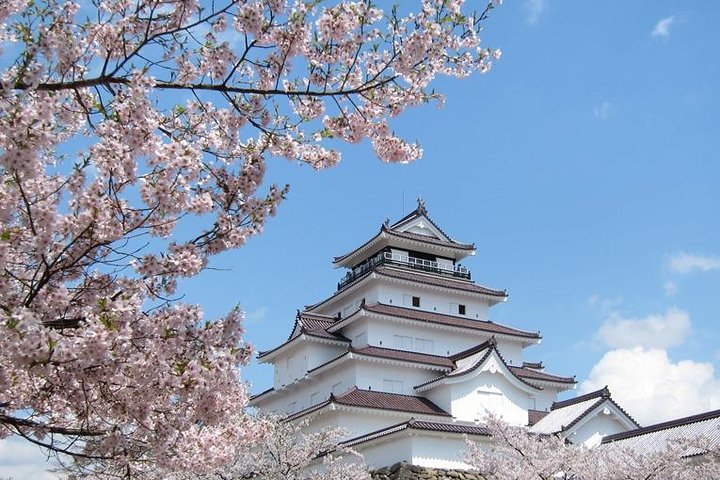
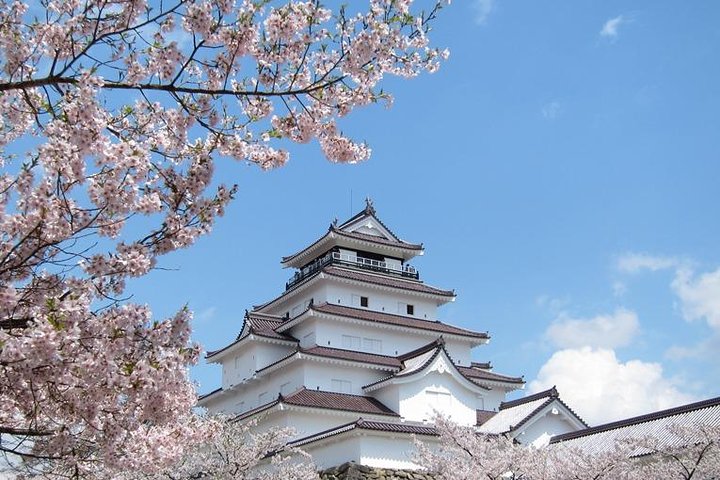
Our first stop was the iconic Tsuruga Castle, a symbol of resilience and strength. Originally built in 1384, the castle has witnessed numerous battles and changes in leadership. As I stood before its majestic structure, I couldn’t help but feel a sense of awe. The castle’s red roof tiles, a unique feature among Japanese castles, gleamed in the sunlight, a testament to its historical significance.
Inside, the castle houses a museum that offers a fascinating insight into the samurai lifestyle. The displays were meticulously curated, showcasing artifacts and stories from a bygone era. Climbing to the top floor, I was rewarded with a panoramic view of the city, a reminder of the castle’s strategic importance in the past. The experience was both educational and inspiring, a perfect introduction to the rich history of Aizuwakamatsu.
Aizu Old Samurai Residences: A Glimpse into the Edo Period
Next, we ventured to the Aizu Old Samurai Residences, a meticulously reconstructed complex that once housed the region’s most esteemed samurai. Walking through the expansive quarters, I was transported back to the Edo Period. The attention to detail in the reconstruction was remarkable, with each room telling a story of its own.
The gardens, guest rooms, and tea house offered a glimpse into the daily lives of the samurai and their families. Mannequins depicted scenes of historical events, bringing the past to life in a vivid and engaging manner. It was a humbling experience to walk in the footsteps of those who once shaped the history of this region. The visit was a poignant reminder of the cultural heritage that continues to influence modern Japan.
Suehiro Sake Brewery: A Taste of Tradition
Our final stop was the Suehiro Sake Brewery, a renowned establishment in the Tohoku Region. Founded in 1850, the brewery has been a family-owned business for eight generations. As I toured the facility, I was introduced to the traditional “Yamahai” method of sake production, a process that results in a rich and complex flavor.
Tasting the sake was a sensory delight, each sip offering a blend of tradition and craftsmanship. The brewery’s commitment to preserving age-old techniques while embracing innovation was evident in their diverse product range, including sparkling sake and sake bath extracts. It was a fitting end to a day filled with historical exploration, a celebration of the cultural and culinary heritage of Aizuwakamatsu.
Reflecting on my journey, I realized that Aizuwakamatsu is more than just a city; it is a living testament to Japan’s feudal past. The tour was a profound experience, offering insights into the traditions and history that continue to shape the region. For anyone seeking a deeper understanding of Japan’s cultural heritage, Aizuwakamatsu is a destination that should not be missed.