
Vietnam’s largest city exudes an energy that travelers immediately sense upon stepping onto its streets. Experience the vibrant charm of Saigon with a welcoming private guide from Vietravel. Gain a local’s insight into this captivating Vietnamese metropolis as you explore Ho Chi Minh City at your leisure.
Vietnam’s largest city exudes an energy that travelers immediately sense upon stepping onto its streets. Experience the vibrant charm of Saigon with a welcoming private guide from Vietravel. Gain a local’s insight into this captivating Vietnamese metropolis as you explore Ho Chi Minh City at your leisure.
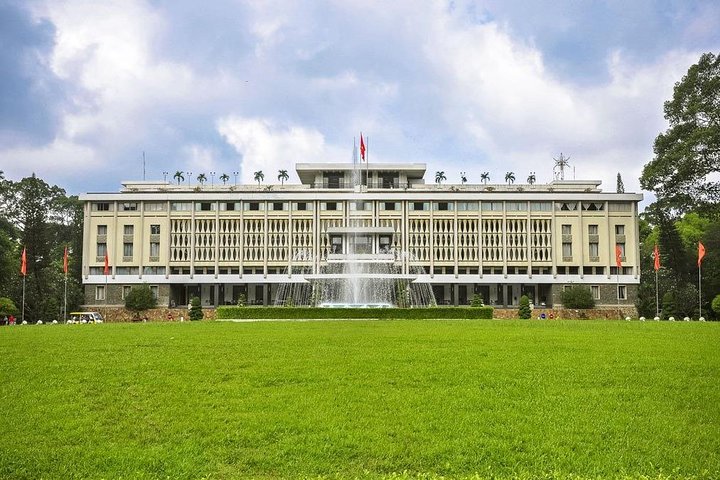
- The Independence Palace - Encircled by royal palm trees, this government building’s striking 1960s architecture and the haunting atmosphere of its empty corridors create a captivating scene. On 30 April 1975, the first Communist tanks rolled into Saigon here, and it feels as though time has stood still since that day. The building is closely…
- The Independence Palace - Encircled by royal palm trees, this government building’s striking 1960s architecture and the haunting atmosphere of its empty corridors create a captivating scene. On 30 April 1975, the first Communist tanks rolled into Saigon here, and it feels as though time has stood still since that day. The building is closely linked to the city’s fall in 1975, yet it is the kitschy details and period motifs that truly capture attention.
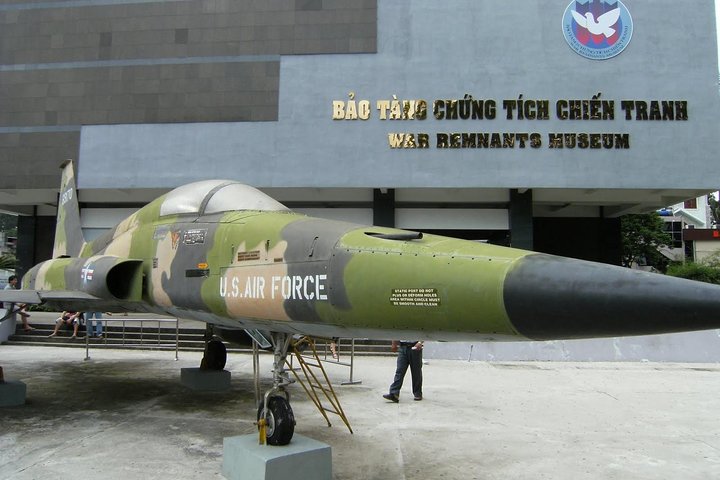
- War Remnants Museum - Previously known as the Museum of Chinese and American War Crimes, the War Remnants Museum remains a favorite among Western tourists. Few museums worldwide convey the devastating impact of war on civilians as effectively. While many atrocities documented here were widely reported, Westerners seldom hear the personal accounts of US military action victims. Although some exhibits are biased, many of the most shocking photographs depicting US atrocities are sourced from the US, including those of the notorious My Lai Massacre.
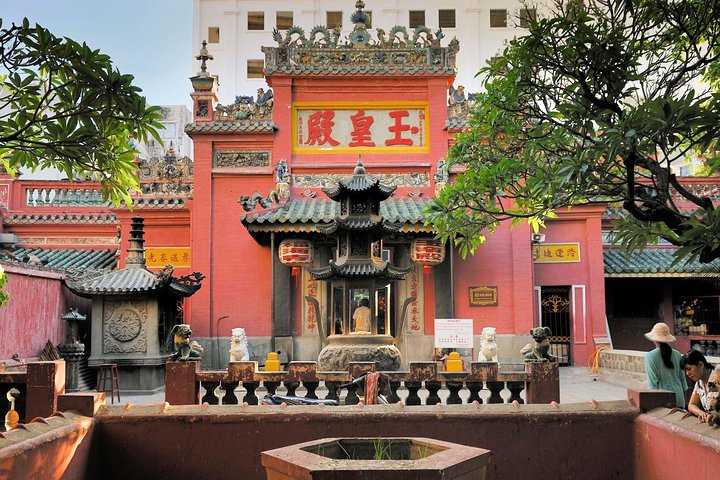
- Emperor Jade Pagoda - Constructed in 1909 to honor the supreme Taoist deity (the Jade Emperor or King of Heaven, Ngoc Hoang), this is one of Ho Chi Minh City’s most atmospheric temples, filled with statues of ethereal deities and grotesque heroes. The air is thick with the scent of incense (huong), obscuring the intricate woodcarvings. The roof is adorned with elaborate tile work, and the temple’s statues, representing figures from both Buddhist and Taoist traditions, are crafted from reinforced papier mâché.
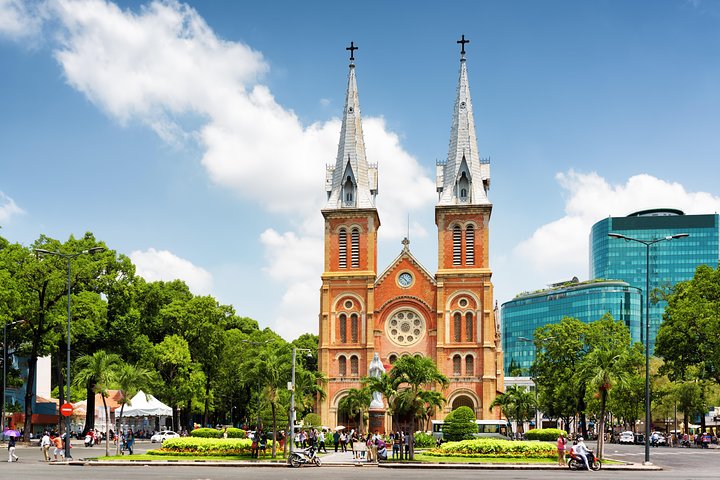
- Saigon Notre Dame Cathedral - Erected between 1877 and 1883, Notre Dame Cathedral enlivens the heart of Ho Chi Minh City’s government district, facing Ð Dong Khoi. This brick, neo-Romanesque church features 40m-high square towers topped with iron spires and is named after the Virgin Mary. The interior walls are adorned with devotional tablets, and some stained glass remains intact.
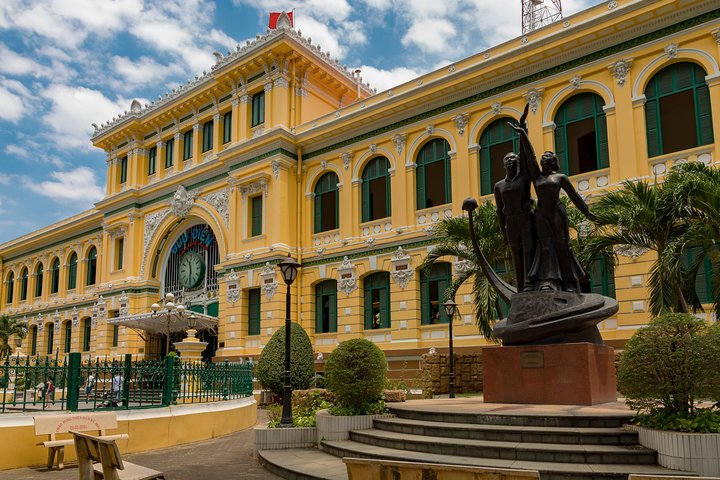
- Central Post Office - Situated directly across from Notre Dame Cathedral, Ho Chi Minh City’s impressive French post office is a classic example of period architecture, designed by Marie-Alfred Foulhoux (though often attributed to Gustave Eiffel) and constructed between 1886 and 1891. The walls of its grand concourse display fascinating historic maps of South Vietnam, Saigon, and Cholon, while a mosaic of Ho Chi Minh is prominently featured at the end of its barrel-vaulted hall. Note the splendid tiled floor and the abundant green-painted wrought iron.
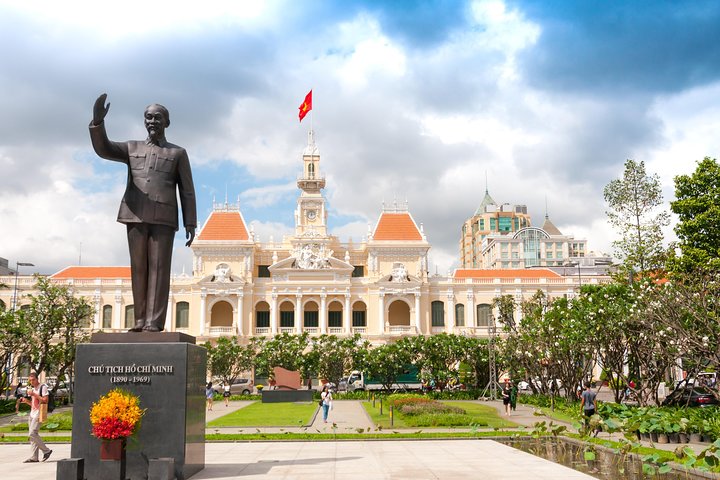
- People’s Committee Building - Located at the end of Nguyen Hue walking promenade, it comprises three buildings adorned with embossed statues of animals and people, intricate bas-reliefs on the walls, and a statue of Ho Chi Minh in front of the main building. The best time to visit is in the evening when these features are beautifully illuminated with LED lights.
- Dong Khoi Street - Home to numerous French colonial buildings, Dong Khoi Street has witnessed many transformations in Ho Chi Minh City. During the French occupation, it was the center of glamour and was known as Rue Catinat.
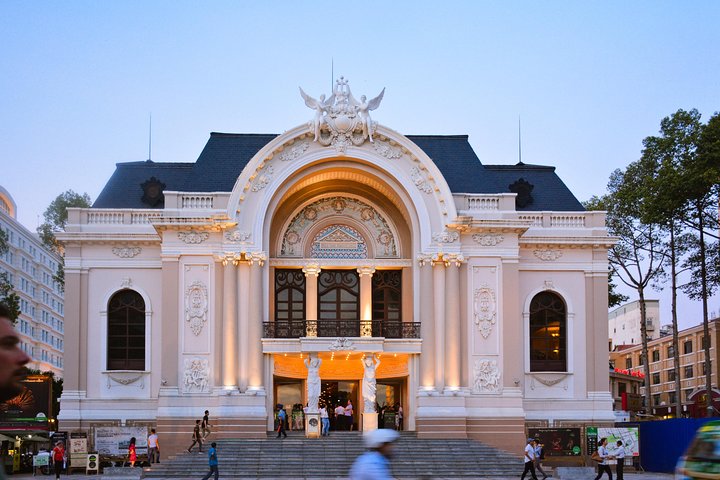
- Saigon Opera House (Ho Chi Minh Municipal Theater) - Situated at the intersection of Ð Dong Khoi and ÐL Le Loi, this grand colonial structure with a sweeping staircase was built in 1897 and is one of the city’s most iconic buildings. Officially called the Municipal Theatre, the Opera House embodies the flamboyance of France’s belle époque. Performances range from ballet and opera to modern dance and musicals.
- Nguyen Hue Street - Nguyen Hue Street is a wide walking promenade in the heart of District 1 city center. This pedestrian area is lined with beautiful French colonial architectural marvels like the People’s Committee, the Rex Hotel, and a luxury shopping mall. In front of the People’s Committee, there is a statue of Uncle Ho Chi Minh and a nighttime fountain show.
- Ben Thanh Market - Centrally located, Ben Thanh and its surrounding streets form one of HCMC’s most vibrant areas. Everything commonly consumed, worn, or used by the Saigonese is piled high, and souvenirs are equally abundant. Vendors are persistent, and prices are typically higher than elsewhere (restaurant stalls are reasonable), so bargain assertively and disregard any ‘Fixed Price’ signs.
- Private transportation
- Bottled water
- All Fees and Taxes
- Lunch
- Private tour guide
- Private transportation
- Bottled water
- All Fees and Taxes
- Lunch
- Private tour guide
- Accommodation
- Air ticket
- Beverage during the meal
- Personal expenses
- Other services not above mentioned
- Tips for guide and driver
- Accommodation
- Air ticket
- Beverage during the meal
- Personal expenses
- Other services not above mentioned
- Tips for guide and driver
For a full refund, cancel at least 24 hours before the scheduled departure time.
For a full refund, cancel at least 24 hours before the scheduled departure time.