Discovering Kamakura: A Zen Journey Through History and Nature
When a close friend recommended the Buddha, Bamboo & Zen tour in Kamakura, I knew I had to experience it for myself. Join me as I explore the spiritual heart of Kamakura, guided by the passionate and knowledgeable Brad, and uncover the secrets of this charming coastal town.




A Journey Through Time: Kamakura’s Spiritual Heart
As I stepped off the train at Kamakura Station, the air was filled with a sense of tranquility that seemed to whisper promises of a day steeped in history and culture. Having grown up in a multicultural household, my appreciation for the nuances of Japanese traditions runs deep, and I was eager to explore Kamakura’s spiritual heart. My guide for the day, Brad, greeted me with a warm smile. An Australian who had made Japan his home for over two decades, Brad’s passion for Kamakura was palpable. His knowledge of the region’s history, culture, and geography was nothing short of encyclopedic, and I knew I was in for an enlightening experience.
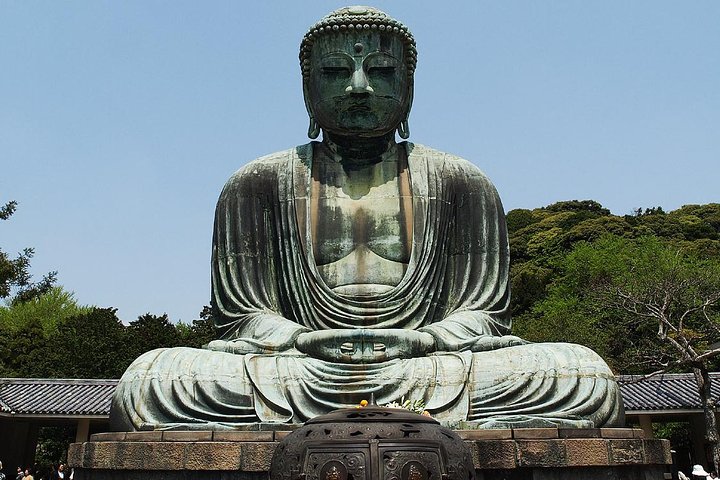
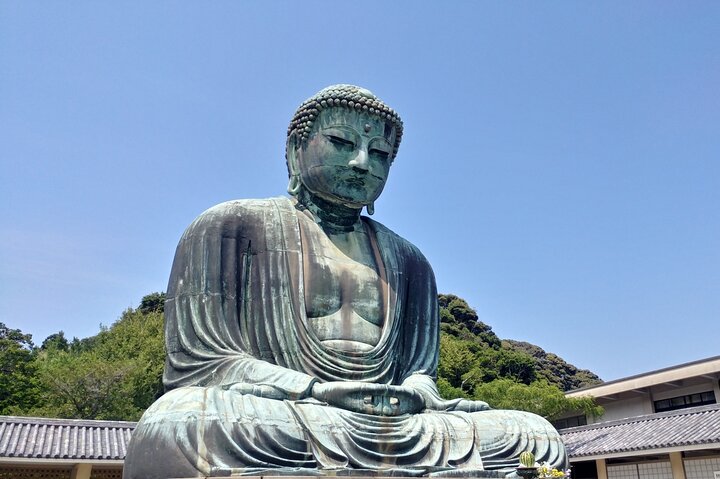
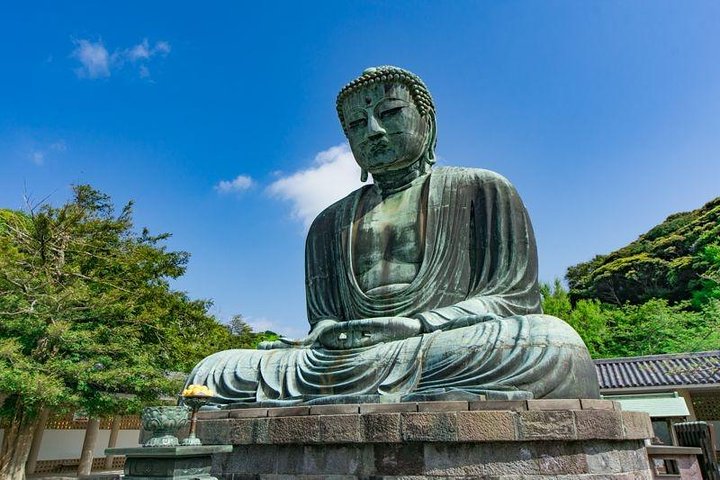
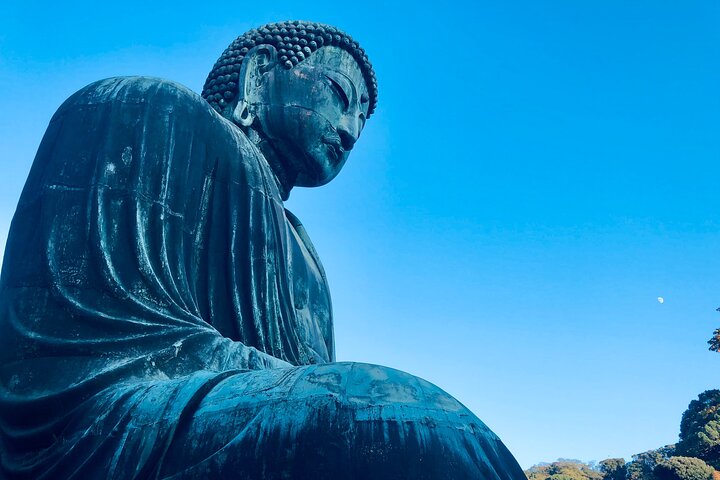
Our first stop was the iconic Kotoku-in, home to the Great Buddha of Kamakura. Standing before the majestic bronze statue, I was struck by its serene presence. The statue, originally carved in wood and later cast in bronze in the 13th century, seemed to embody the timelessness of Zen philosophy. As we wandered the temple grounds, Brad shared stories of the samurai who once walked these paths, their lives intertwined with the teachings of Zen Buddhism. It was a moment of reflection, a reminder of the enduring legacy of these ancient warriors.
Embracing Nature: The Bamboo Temple
Leaving the Great Buddha behind, we made our way to Hokoku-ji, affectionately known as the Bamboo Temple. The temple’s bamboo grove, with its towering moso bamboo plants, was a sight to behold. As we strolled through the grove, the gentle rustle of the bamboo leaves in the breeze created a symphony of nature’s whispers. It was a moment of pure mindfulness, a chance to connect with the natural world in a way that is often elusive in the hustle and bustle of modern life.
We paused at the teahouse within the temple grounds, where I savored a cup of matcha green tea. The vibrant green of the tea mirrored the lush surroundings, and as I sipped, I felt a sense of peace wash over me. Brad and I exchanged stories, our conversation flowing as effortlessly as the tea. It was a reminder of the power of shared experiences, of the connections that transcend cultural boundaries.
A Taste of Tradition: Komachi Street and Beyond
Our journey continued to Komachi Street, the bustling heart of Kamakura. The street was alive with the vibrant energy of locals and visitors alike, a tapestry of sights, sounds, and aromas. We explored the nooks and crannies, discovering hidden gems and indulging in the local cuisine. A highlight was the Nagashi Somen, or “Flowing Noodles,” a summertime tradition that was both a culinary delight and a playful experience.
As we wandered, Brad’s ability to read the crowd and tailor the experience to my interests was evident. His fluency in Japanese and understanding of the local culture made navigating the area seamless, and I felt a deep appreciation for the insights he shared. Our day concluded at the Tsurugaoka Hachimangu Shrine, where we climbed the Great Stone Steps to the main hall. The panoramic view of Kamakura from the top was breathtaking, a fitting end to a day of discovery.
Reflecting on my time in Kamakura, I realized that this journey was more than just a tour; it was an immersion into the soul of a place where history and modernity coexist in harmony. The Buddha, Bamboo & Zen Tour was a reminder of the beauty of cultural exchange, of the stories that connect us across time and space. I left Kamakura with a renewed sense of mindfulness and a deeper appreciation for the traditions that shape our world.