Thrills and Heritage: A Cajun Adventure in Luling
When the call of the wild beckons, there’s no resisting. I embarked on a thrilling journey into the heart of Cajun and Creole culture, where high-speed airboats and historic plantations awaited. Here’s how it all unfolded.



Into the Heart of Cajun Country
The sun was barely peeking over the horizon as my crew and I set out for Luling, Louisiana, ready to dive headfirst into the vibrant tapestry of Cajun and Creole culture. Our guide for the day, René, was a charismatic French-speaking local whose passion for his heritage was infectious. As we drove through the wild cypress swamps, René regaled us with tales of the Cajun people’s odyssey, painting vivid pictures of their journey and resilience. The Mississippi River loomed ahead, its suspended bridge a testament to human ingenuity, and beyond it, the vast sugarcane fields stretched as far as the eye could see.
Our first stop was the bayou, where a high-speed airboat awaited. The roar of the engine was music to my ears, a familiar symphony of adrenaline that I had missed. As we skimmed over the marshes and delved into secluded bayous, René, an alligator hunter and fur trapper, shared his encyclopedic knowledge of the swamp. He pointed out the habits of reptiles, the healing properties of certain plants, and the vibrant life of exotic birds. The airboat ride was a thrilling dance with nature, a reminder of the wild beauty that still exists in our world.
A Journey Through Time at Laura Plantation
With our hearts still racing from the airboat adventure, we made our way to Laura Plantation, a Creole heritage site that dates back to 1804. The plantation was a living museum, each corner whispering stories of the past. René guided us through Laura’s personal family saga, a tale intertwined with the lives of the West-African enslaved people whose influence permeated every aspect of Creole culture. From the cuisine to the music, the architecture to the family-centered traditions, their legacy was palpable.
The Slavery Museum Exhibit was a poignant reminder of the harsh realities faced by the enslaved individuals who lived and worked on the plantation. Personal stories of men, women, and children brought history to life, illustrating the complex relationships between the enslaved and their owners. It was a sobering experience, one that left a lasting impression on all of us.
Elegance and History at Houmas House
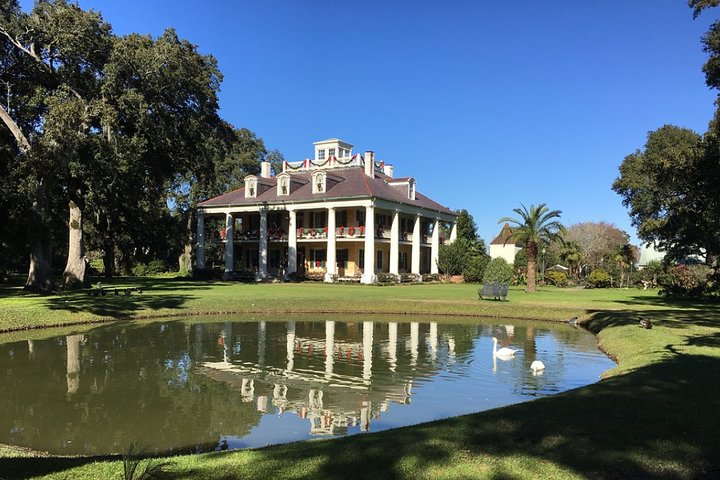
Our final destination was the Houmas House Plantation, where a gourmet buffet awaited us in the elegant dining room. The spread was a feast for the senses, a celebration of the rich flavors that define Cajun and Creole cuisine. As we savored each bite, René continued to share his wealth of knowledge, weaving tales of the plantation’s 250-year history and the succession of owners who had shaped its destiny.
After lunch, we wandered through the mansion, a treasure trove of art, furniture, and antique artifacts that told the story of plantation life. The 38 acres of gardens surrounding the mansion were a verdant paradise, a tranquil escape from the hustle and bustle of modern life. As we strolled through the lush greenery, I couldn’t help but reflect on the day’s adventures, grateful for the opportunity to explore such a rich and diverse culture.
This journey into the heart of Cajun and Creole culture was more than just a tour; it was an unforgettable adventure that left me with a deeper appreciation for the history and heritage of this unique region. For those seeking a thrilling yet enlightening experience, I highly recommend this adventure.


