



Have you explored Luxor, or are you eager to learn more about it? Immerse yourself in a private 2-day journey from Marsa Alam to Luxor, touring Madinet Habu Temple, The Ramseum temple, Deir El Madina, and the Valley of the Queens, followed by a hotel check-in. On the following day, you will visit the Luxor Museum before your journey back to Marsa Alam.
Have you explored Luxor, or are you eager to learn more about it? Immerse yourself in a private 2-day journey from Marsa Alam to Luxor, touring Madinet Habu Temple, The Ramseum temple, Deir El Madina, and the Valley of the Queens, followed by a hotel check-in. On the following day, you will visit the Luxor Museum before your journey back to Marsa Alam.
Day 1: Marsa Alam to Luxor
Temple of Medinat Habu - In the early morning, guests will be picked up from their hotel in Marsa Alam by a private air-conditioned car for a trip to Luxor, where they will stay overnight. Upon arrival, a private tour guide will accompany them to visit:
Madinat Habu Temple:
In ancient times, Madinat Habu was known as…
Day 1: Marsa Alam to Luxor
Temple of Medinat Habu - In the early morning, guests will be picked up from their hotel in Marsa Alam by a private air-conditioned car for a trip to Luxor, where they will stay overnight. Upon arrival, a private tour guide will accompany them to visit:
Madinat Habu Temple:
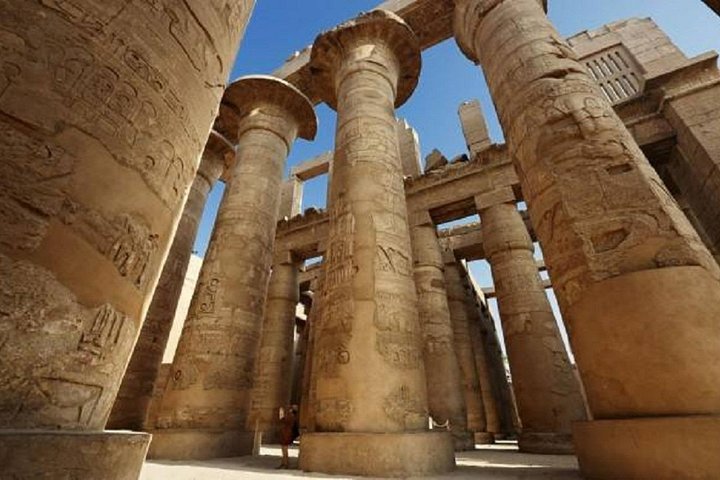
In ancient times, Madinat Habu was known as Djanet, and it was believed to be the place where Amun first appeared. Hatshepsut and Tuthmosis III both constructed a temple dedicated to Amun here, and later, Rameses III built his larger memorial temple on the site.
Madinat Habu Temple from the air
Luxor - Ramesseum:
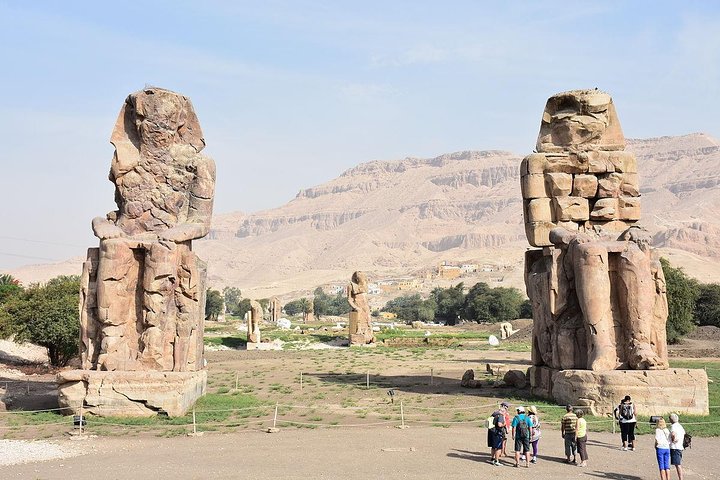
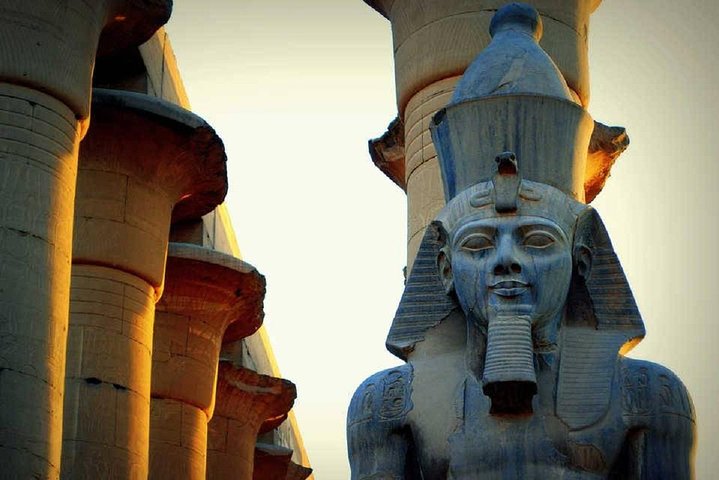
The Ramesseum is the funerary temple of Ramses II (1279–13 BC), located on the west bank of the Nile River at Thebes in Upper Egypt. The temple is renowned for its 57-foot (17-meter) seated statue of Ramses II, of which only fragments remain. It was dedicated to the god Amon and the deceased king. The walls of the Ramesseum, which are about half preserved, are adorned with reliefs, including scenes of the Battle of Kadesh, the Syrian wars, and the Festival of Min.
Valley of the Artisans (Deir el-Medina) - Deir El Madina
The main cemetery of the royal workmen at Deir el-Medina is located to the west of the village, on the slope of the Theban hills. Most of the tombs were constructed during the 19th dynasty and are notable for their decoration and size. By the 20th dynasty, these tombs became family tombs, where descendants of the original owners were buried. Few alterations were made, except for the addition of another subterranean burial chamber. The lower courses of the eastern hill of Qurnet Murai were used for the burials of babies and children. Over a hundred children were interred in common domestic pottery jars, amphorae, baskets, fish baskets, chests, boxes, or proper coffins. The poorest burials were those of stillborn babies, containing no jewelry or amulets, only small vessels filled with food for the afterlife. The graves of adults were situated higher up. Lunch will be provided during the tour.
Day 2: Luxor to Marsa Alam
Luxor Museum - After breakfast at the hotel, guests will be accompanied by their private tour guide and a private air-conditioned vehicle to visit:
Luxor Museum
This exceptional museum features a carefully selected and beautifully displayed collection of antiquities, ranging from the end of the Old Kingdom to the Mamluk period, mostly sourced from the Theban temples and necropolis. Although the ticket price may deter some, it is highly recommended not to miss this rewarding attraction, as it is one of the finest museums in Egypt.
Enjoy lunch at a restaurant with a view of the Nile before being driven back to the hotel in Marsa Alam.
- Lunch included
- Air-conditioned transport
- Lunch included
- Air-conditioned transport
- tipping
- tipping
For a full refund, cancel at least 24 hours before the scheduled departure time.
For a full refund, cancel at least 24 hours before the scheduled departure time.


