A Spiritual Odyssey: Discovering Jordan’s Sacred Landscapes
Drawn by the allure of Jordan’s rich history and spiritual significance, I embarked on a transformative journey through Madaba, Petra, and Wadi Rum. Join me as I recount the profound experiences and connections made during this unforgettable pilgrimage.


A Journey Through Time: Madaba and the Dead Sea
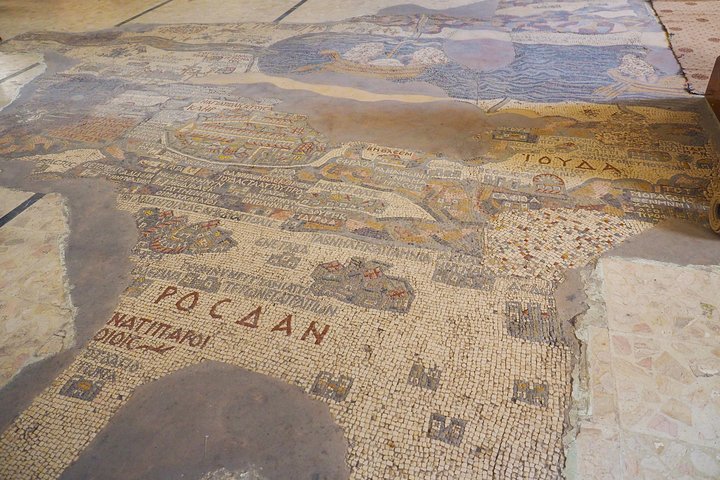
As I embarked on the 4 Days Best of Jordan, I was immediately drawn to the spiritual and historical richness of Madaba. Known as the “City of Mosaics,” Madaba is home to the famous Madaba Mosaic Map, a 6th-century cartographic marvel that depicts the Holy Land. Standing in the Church of St. George, where this map resides, I felt a profound connection to the ancient pilgrims who once traversed these lands. The intricate details of the mosaic, each piece meticulously placed, seemed to whisper stories of the past, inviting me to reflect on the journeys of those who came before.
The spiritual journey continued at the St. John the Baptist Roman Catholic Church. This ancient church, with its frescoes and sculptures, offered a glimpse into the life of John the Baptist, or Yahya, as he is known in Islamic tradition. Climbing the bell tower, I was rewarded with a panoramic view of Madaba, a city that has been a crossroads of cultures and faiths for centuries.
The day concluded with a visit to the Dead Sea, the lowest point on Earth. Floating effortlessly on its salty waters, I felt a sense of liberation and peace. The Dead Sea, with its biblical significance and natural beauty, was a reminder of the interconnectedness of nature and spirituality.
The Timeless Majesty of Petra
The next leg of the journey took me to Petra, a place that has long captured the imaginations of travelers and historians alike. As I walked through the Siq, the narrow gorge that leads to the ancient city, I was enveloped by the towering sandstone cliffs, their colors shifting with the changing light. Emerging from the Siq, the sight of the Treasury, Al-Khazneh, was nothing short of breathtaking. This iconic façade, carved into the rose-red rock, stood as a testament to the ingenuity and artistry of the Nabataeans.
Exploring Petra was like stepping back in time. Each tomb, temple, and monument told a story of a civilization that thrived in the harsh desert environment. The Monastery, Ad Deir, perched high above the city, offered a moment of solitude and reflection. As I sat on the steps, overlooking the vast landscape, I contemplated the resilience and creativity of the people who once called Petra home.
Petra’s allure lies not only in its architectural wonders but also in its spiritual resonance. It is a place where history and faith converge, inviting visitors to ponder the mysteries of the past and the enduring spirit of human endeavor.
The Otherworldly Beauty of Wadi Rum
The final chapter of this journey led me to Wadi Rum, a desert landscape that defies description. Often referred to as “Mars on Earth,” Wadi Rum’s vast expanse of red sand dunes and towering rock formations create a surreal and awe-inspiring environment. The 4x4 jeep tour through the protected area was an adventure in itself, revealing hidden canyons, ancient petroglyphs, and the timeless beauty of the desert.
As the sun set over Wadi Rum, casting a golden glow over the landscape, I felt a deep sense of tranquility. The desert, with its silence and vastness, offered a space for introspection and spiritual connection. It was a reminder of the beauty and simplicity of nature, and the profound impact it can have on the soul.
Reflecting on this journey, I am grateful for the opportunity to explore the rich tapestry of history, culture, and spirituality that Jordan offers. The 4 Days Best of Jordan was more than just a tour; it was a pilgrimage that enriched my understanding of the world and my place within it. I am thankful to the Jordan Drive Tribe for their exceptional service and dedication, ensuring that this journey was not only memorable but transformative.