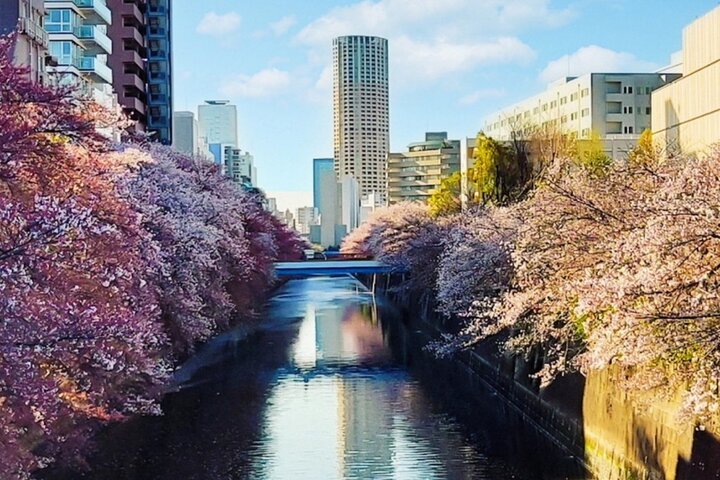
Crafting Sweet Memories: A Cultural Journey in Meguro City
In search of a deeper connection to my Japanese heritage, I embarked on a journey to Meguro City to explore the art of mochi and nerikiri making. This immersive experience promised not only culinary delights but also a profound understanding of the cultural significance behind these traditional sweets.



A Journey into the Art of Wagashi
As I stepped into the private studio nestled in the heart of Meguro City, I was immediately enveloped by a sense of calm and anticipation. The studio, a serene oasis amidst the bustling city, was the perfect setting for my deep dive into the world of Japanese sweets, specifically mochi and nerikiri. Having grown up in a multicultural household, I was no stranger to the delicate flavors of Japanese cuisine, but this experience promised a deeper understanding of the cultural significance behind these traditional confections.
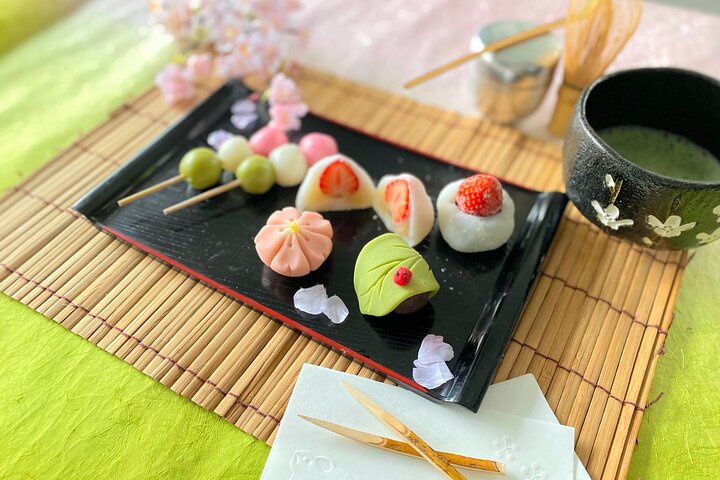
Our instructor, a certified Nerikiri Art Instructor, welcomed us with a warm smile and a brief presentation on the traditions and festivals that celebrate mochi. Her fluency in English made the session accessible and engaging, as she shared insights into the cultural importance of these sweets. We began with the basics, learning to make Strawberry daifuku mochi and Three-color dango. The instructor’s clear explanations and demonstrations, coupled with the provided templates, ensured that even novices like myself could follow along with ease.
Crafting Seasonal Nerikiri
The highlight of the class was undoubtedly the hands-on experience of crafting nerikiri wagashi. With the pre-made dough in hand, we were guided through the process of coloring and shaping our creations into seasonal motifs. The instructor emphasized the qualities that make a good dough, and we learned how to achieve the perfect texture and consistency. Each of us crafted four pieces, each with a unique filling—red bean, white bean, pumpkin, and sweet potato—reflecting the flavors of fall.
As I carefully assembled my nerikiri, I couldn’t help but appreciate the mindfulness required in this art form. The process was meditative, allowing me to connect with the tradition and spirit of Chado, the Japanese tea ceremony. The instructor’s patience and attention to detail ensured that we never felt rushed, and the printed recipe provided a valuable resource for future endeavors.
Savoring the Fruits of Our Labor
With our creations complete, it was time to savor the fruits of our labor. We gathered around a low table, where the instructor demonstrated the etiquette of drinking matcha. The bitter, earthy notes of the tea perfectly complemented the subtle sweetness of the nerikiri, creating a harmonious balance of flavors. As I took my first sip, I was reminded of the Japanese concept of Omotenashi, the spirit of selfless hospitality that permeates every aspect of the tea ceremony.
The experience was not only a culinary delight but also a cultural immersion that deepened my appreciation for Japanese traditions. The nerikiri we crafted were not only visually stunning but also superior in flavor and texture to those I had previously purchased from shops. As I left the studio, protective box in hand, I felt a renewed sense of connection to my Japanese heritage and a desire to share this beautiful art form with others.
For those seeking a meaningful cultural experience in Tokyo, I highly recommend this sweet-making class. It offers a unique opportunity to engage with Japanese culture in a hands-on and deeply personal way, leaving you with both delicious memories and newfound skills.