Nikko’s Sacred Shrines and Natural Wonders: A Journey with Shabeer
Drawn by the promise of a seamless blend of history, nature, and spirituality, I embarked on a journey to Nikko. Guided by the engaging and knowledgeable Shabeer, I discovered the region’s sacred shrines, breathtaking landscapes, and rich cultural heritage, creating an unforgettable experience.


A Journey Through Time: The Sacred Shrines of Nikko
As I embarked on my journey to Nikko, I was filled with anticipation. The allure of exploring a place where history, nature, and spirituality intertwine was irresistible. My guide for the day, Shabeer, was a masterful storyteller, weaving tales of the past with the present as we ventured through this enchanting region.
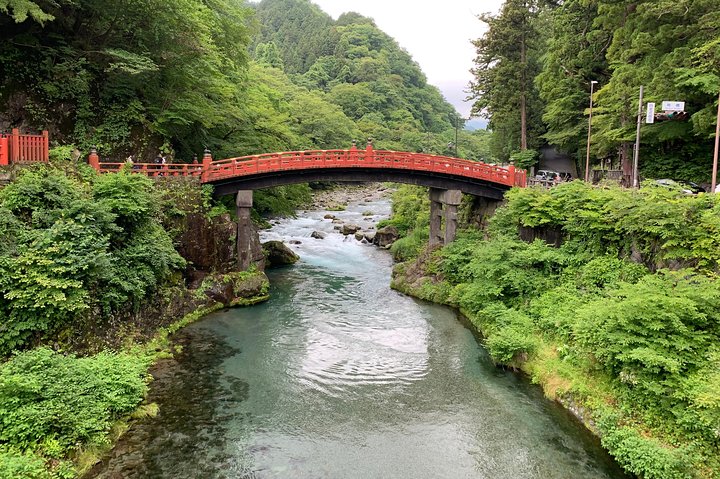
Our first stop was the iconic Shinkyo Bridge, a vermilion masterpiece that gracefully spans the Daiya River. As I stood on this historic bridge, I could almost hear the whispers of the shoguns and priests who once crossed it. The bridge, a symbol of Nikko, was a perfect introduction to the sacred atmosphere that permeates the area.
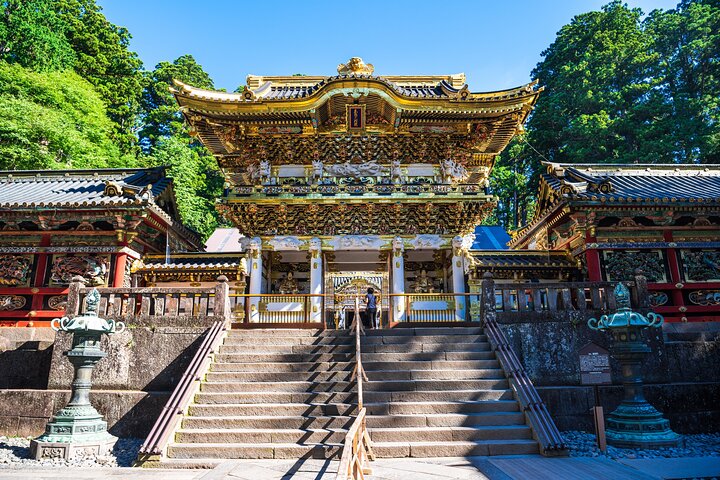
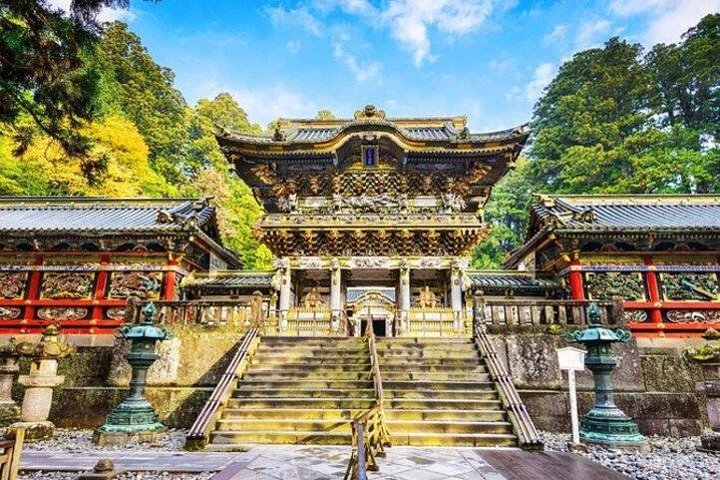
Next, we visited the Tōshō-gū Shrine, a UNESCO World Heritage site dedicated to Tokugawa Ieyasu, the founder of the Tokugawa shogunate. The intricate carvings and lavish decorations of the shrine were a testament to the artistry and devotion of the craftsmen who built it. Shabeer’s insights into the religious practices and cultural significance of the shrine added depth to my understanding, allowing me to appreciate the spiritual essence of this sacred place.
Nature’s Masterpieces: Lake Chuzenji and Kegon Falls
Leaving the shrines behind, we ventured into the heart of Nikko’s natural beauty. Lake Chuzenji, nestled at the foot of Mount Nantai, greeted us with its serene waters and breathtaking views. The tranquility of the lake was a refreshing escape from the hustle and bustle of city life, offering a moment of reflection and peace.
Our journey continued to Kegon Falls, one of Japan’s most famous waterfalls. The sight of water cascading dramatically into the gorge was nothing short of awe-inspiring. Shabeer guided us to the best vantage points, where we could fully appreciate the falls’ majestic beauty. The sound of the rushing water and the cool mist in the air created a sensory experience that was both invigorating and calming.
As we explored the surrounding area, Shabeer shared stories of the region’s volcanic origins and the seasonal changes that transform the landscape. His knowledge of the natural world was as captivating as his tales of history, making each moment spent in Nikko a learning experience.
A Cultural Tapestry: The Tamozawa Imperial Villa and Beyond
Our final destination was the Tamozawa Imperial Villa, a retreat that once housed the Imperial Family. The villa’s architecture, a blend of Edo, Meiji, and Taishō era styles, was a visual feast. Walking through its elegant rooms and gardens, I felt transported to a time of refinement and grace.
Shabeer’s engaging storytelling continued as he explained the villa’s historical significance and the lifestyle of Japanese nobility. His ability to bring history to life made the experience both educational and enjoyable.
A delightful surprise awaited us at lunchtime, as we shared a delicious Indian meal at the Taj Hotel in Nikko. This unexpected culinary experience added a personal touch to the day, highlighting the multicultural influences that enrich our world.
Reflecting on my journey through Nikko, I realized that it was more than just a tour; it was a profound exploration of Japan’s cultural and natural heritage. Shabeer’s expertise and warmth made the experience truly unforgettable, leaving me with a deeper appreciation for the traditions and beauty of this remarkable region. If you ever find yourself in Japan, I highly recommend embarking on this journey with Nikko Adventure.