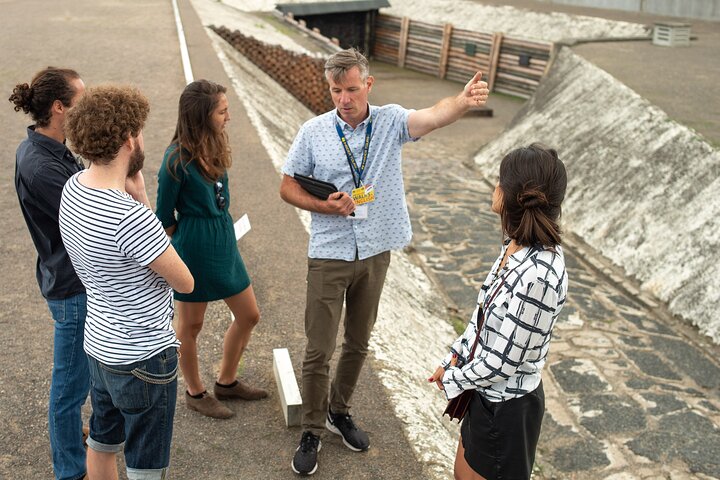
Exploring the Shadows of History: A Visit to Sachsenhausen
Drawn by the promise of a profound historical experience, I embarked on a journey to Sachsenhausen concentration camp. What I discovered was a chilling testament to human cruelty and resilience, brought to life by our guide, Angel.


A Journey into the Depths of Human History
As a former professor of European history, I have spent countless hours delving into the annals of our past, yet nothing quite prepared me for the visceral experience of visiting the Sachsenhausen concentration camp in Oranienburg. My wife and I embarked on this journey with a sense of solemnity, aware of the gravity of the history we were about to confront. The tour, led by the knowledgeable guide Angel, was an eye-opening exploration into the depths of human cruelty and resilience.
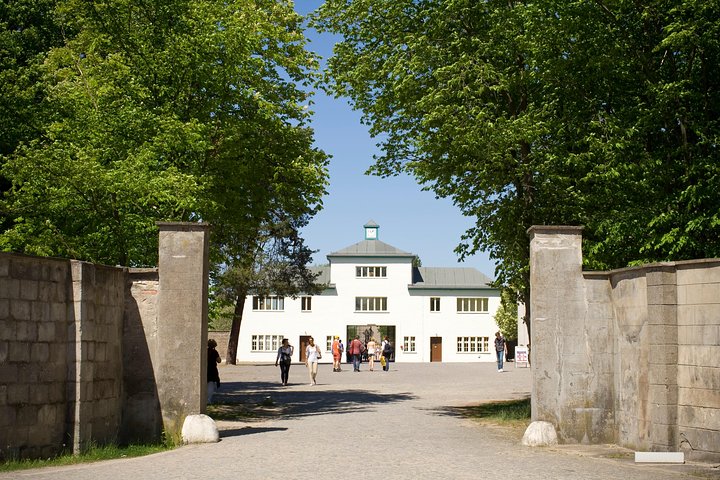
The Sachsenhausen camp, though less “effectist” than Auschwitz, served as a model for other camps. It was here that the Nazis honed their “Machiavellian engineering of evil,” a term that Angel used to describe the systematic dehumanization and annihilation of millions. As we walked through the armería, the entrance, and the barracks, Angel’s narrative brought to life the chilling reality of the camp’s operations. His insights into the inaccuracies of popular films like “The Boy in the Striped Pajamas” and “Life is Beautiful” were particularly enlightening, reminding us of the importance of historical accuracy in understanding the past.
The Architecture of Oppression
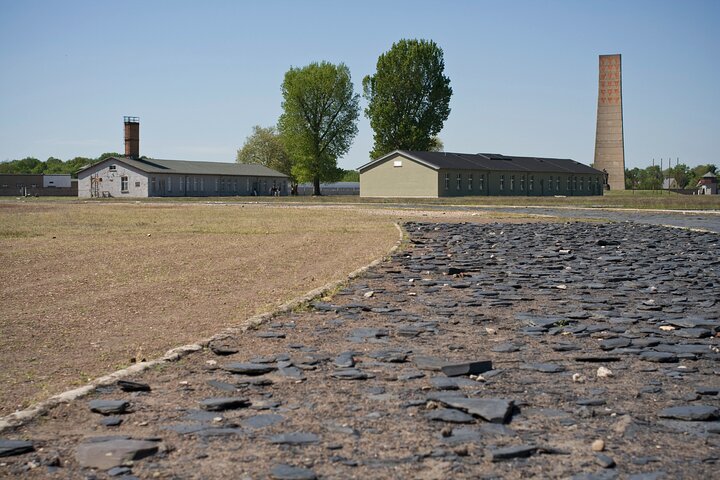
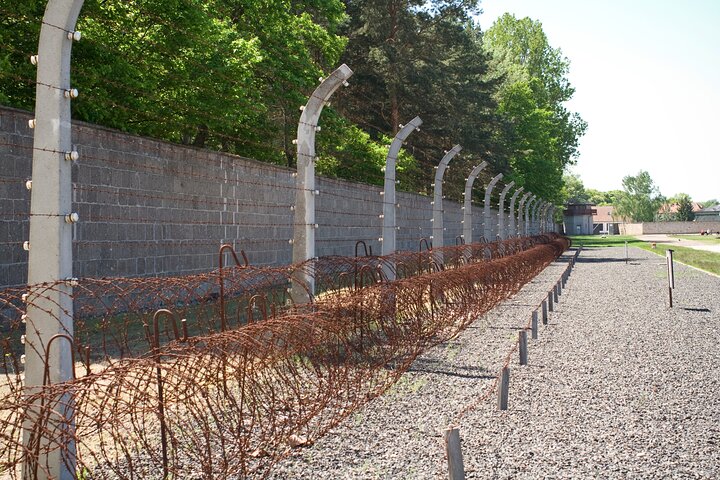
The physical layout of Sachsenhausen is a testament to the calculated cruelty of its designers. Every building, from the casino to the commandant’s office, was meticulously planned to maximize psychological and physical torment. Angel guided us through these spaces, each step revealing another layer of the camp’s grim history. The area of execution, the kitchen, and the barracks were not just structures; they were instruments of terror, designed to strip away humanity and reduce individuals to mere numbers.
As we stood in Tower A, overlooking the camp, Angel’s words resonated deeply. He spoke of the camp’s role in the broader context of Nazi Germany’s genocidal policies, highlighting the chilling efficiency with which the regime pursued its goals. The tour was not just a recounting of historical facts; it was a profound meditation on the nature of evil and the capacity for human beings to inflict unimaginable suffering on one another.
Reflections on a Dark Chapter
Leaving Sachsenhausen, I was struck by the enormity of what we had witnessed. The camp’s history is a stark reminder of the depths to which humanity can sink, but also of the resilience of those who endured its horrors. Angel’s ability to convey both the anguish and the historical significance of Sachsenhausen was remarkable, leaving us with a deeper understanding of this dark chapter in history.
For anyone visiting Berlin, a trip to Sachsenhausen is essential. It is a place that demands reflection and remembrance, a site where the past is palpably present. As we made our way back to Berlin, I couldn’t help but ponder the questions Angel had raised about the nature of evil and the responsibility of future generations to remember and learn from history. This visit was not just an exploration of a historical site; it was a journey into the very heart of human history, one that I will carry with me for years to come.