




Embark on a private day-tour to explore the ancient battlefields of Troy and Gallipoli. Experience the heroic stories of the past and enjoy a scenic ferry ride across the Dardanelles.
Embark on a private day-tour to explore the ancient battlefields of Troy and Gallipoli. Experience the heroic stories of the past and enjoy a scenic ferry ride across the Dardanelles.
- Dardanelles Strait - The Dardanelles (Greek: Δαρδανέλλια, romanized: Dardanéllia), historically known as the Hellespont (/ˈhɛlɪspɒnt/; Classical Greek: Ἑλλήσποντος, romanized: Hellēspontos, meaning ‘Sea of Helle’), is a narrow, natural strait and an internationally significant waterway in northwestern Turkey. It serves as part of the continental…
- Dardanelles Strait - The Dardanelles (Greek: Δαρδανέλλια, romanized: Dardanéllia), historically known as the Hellespont (/ˈhɛlɪspɒnt/; Classical Greek: Ἑλλήσποντος, romanized: Hellēspontos, meaning ‘Sea of Helle’), is a narrow, natural strait and an internationally significant waterway in northwestern Turkey. It serves as part of the continental boundary between Europe and Asia, separating Asian Turkey from European Turkey. As one of the world’s narrowest straits used for international navigation, the Dardanelles links the Sea of Marmara with the Aegean and Mediterranean Seas, and by extension, provides access to the Black Sea via the Bosphorus. The English name “Dardanelles” is a shortened form of “Strait of the Dardanelles.” During the Ottoman era, a castle stood on each side of the strait, collectively known as the Dardanelles, likely named after Dardanus, an ancient city on the Asian shore of the strait, which was said to be named after Dardanus, son of Zeus.
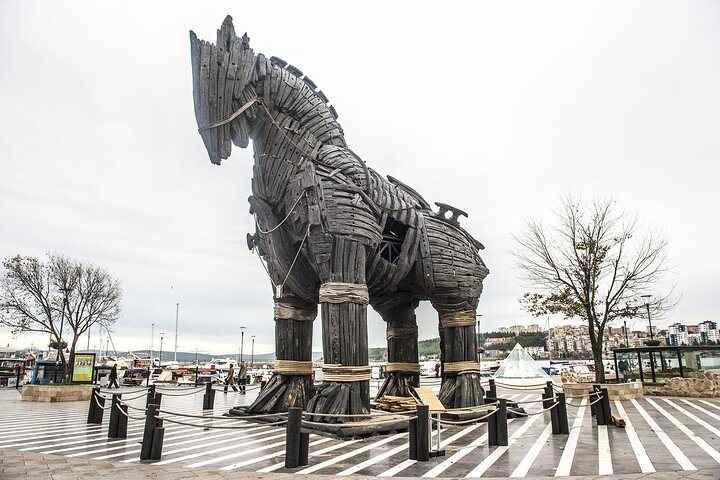
- Trojan Horse Statue - The Trojan Horse is a legendary tale from the Trojan War, illustrating the cunning strategy the Greeks employed to infiltrate the independent city of Troy and secure victory. In the traditional account, after a futile 10-year siege, the Greeks built a massive wooden horse, concealing a select group of soldiers inside, including Odysseus. The Greeks feigned departure, and the Trojans brought the horse into their city as a symbol of triumph. That night, the Greek soldiers emerged from the horse and opened the gates for the returning Greek army, which had secretly sailed back. The Greeks entered and destroyed Troy, concluding the war.
Metaphorically, a “Trojan horse” refers to any deceptive tactic that leads a target to invite an adversary into a well-guarded stronghold or location. A harmful computer program that deceives users into executing it is also termed a “Trojan horse” or simply a “Trojan.”
- Athena Temple - The ancient Temple of Athena, perched atop a trachyte crag, offers expansive views of the surrounding area. On a clear day, one can see nearby Lesbos to the south, Pergamum to the southeast, and Mount Ida in Phrygia to the east. To the north, the Tuzla River flows, while to the northwest, two large Hellenic columns still stand, marking the city’s gate.
- Behram - After departing from the Platonic Academy in Athens, Aristotle, accompanied by Xenocrates, traveled to Assos, where he was warmly received by King Hermias and established an Academy in the city. Aristotle also married Pythias, Hermias’ adopted daughter. At the Academy of Assos, Aristotle led a group of philosophers, making groundbreaking observations in zoology and biology. When the Persians attacked Assos, King Hermias was captured and executed. Aristotle fled to Macedonia, ruled by his friend King Philip II of Macedon, where he tutored Philip’s son, Alexander the Great. A modern statue of Aristotle stands at the town’s entrance.
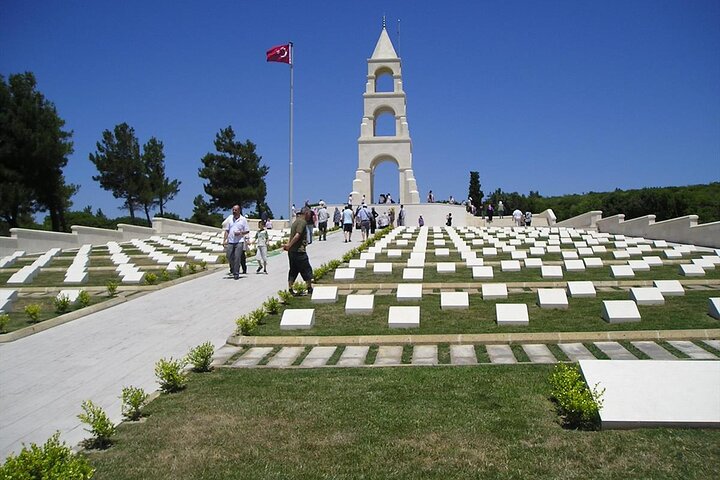
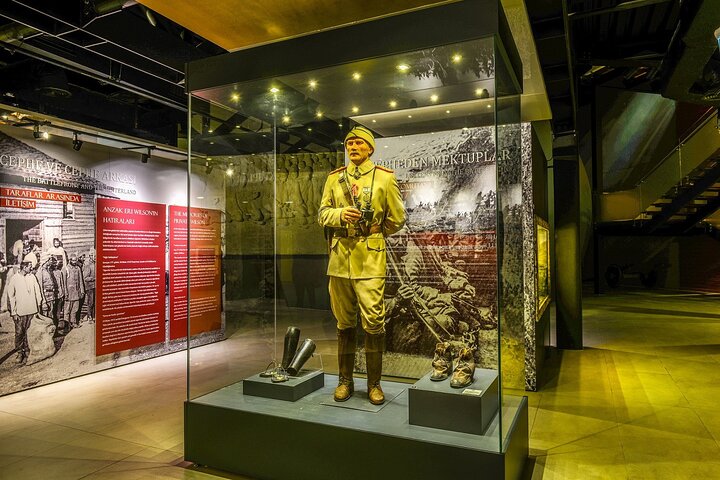
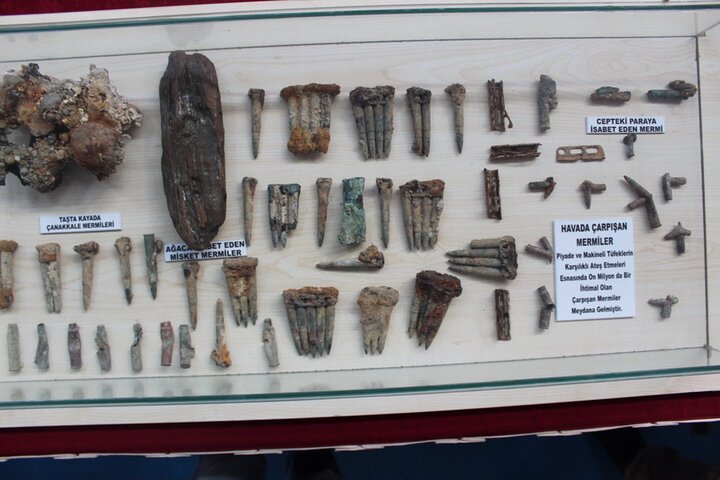
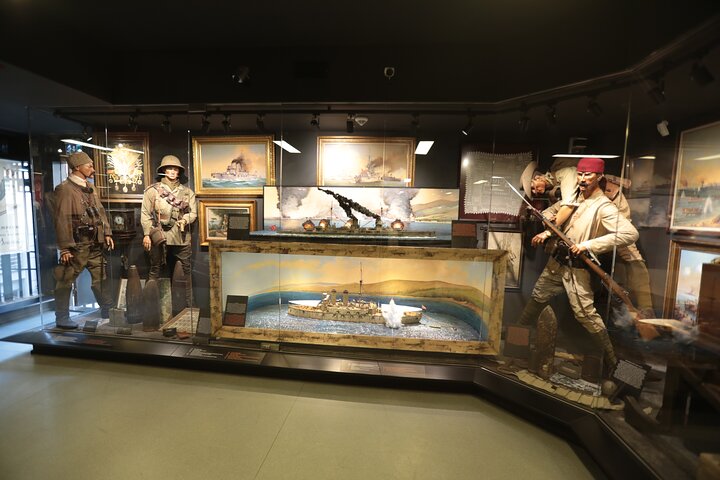
- Gallipoli Battlefield - The Gallipoli campaign, also known as the Dardanelles campaign, the Battle of Gallipoli, or the Battle of Çanakkale (Turkish: Çanakkale Savaşı), was a significant campaign during the First World War, occurring on the Gallipoli peninsula (modern-day Gelibolu, Turkey) from 17 February 1915 to 9 January 1916. The Entente powers, comprising Britain, France, and Russia, aimed to weaken the Ottoman Empire, a member of the Central Powers, by seizing control of the straits that served as a supply route to the Russian Empire. The Allies’ initial attack on Ottoman forts at the Dardanelles entrance in February 1915 was unsuccessful, leading to an amphibious landing on the Gallipoli peninsula in April 1915, with the goal of capturing the Ottoman capital, Constantinople (Istanbul).
- Anzak Koyu Beach - The landing at Anzac Cove on Sunday, 25 April 1915, also known as the landing at Gaba Tepe, and referred to by the Turks as the Arıburnu Battle, was part of the amphibious invasion of the Gallipoli Peninsula by British Empire forces, marking the beginning of the land phase of the Gallipoli Campaign during the First World War.
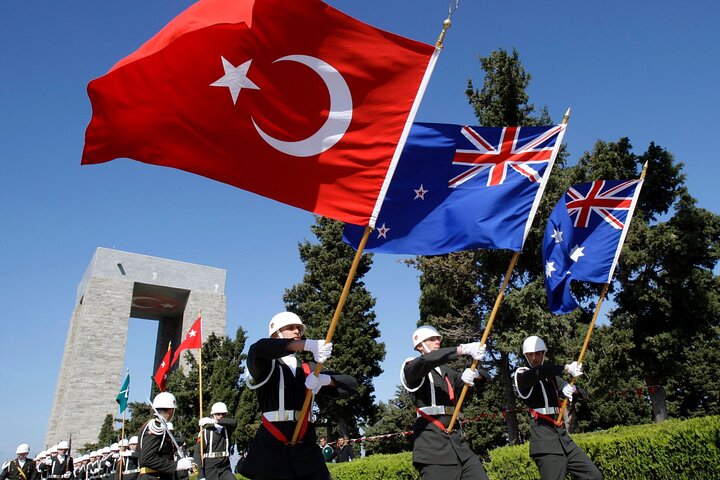
The assault troops, primarily from the Australian and New Zealand Army Corps (ANZAC), landed at night on the western (Aegean Sea) side of the peninsula. They were set ashore one mile (1.6 km) north of their intended landing site. In the darkness, the assault formations became disorganized, but the troops gradually advanced inland, facing increasing resistance from the Ottoman Turkish defenders. Shortly after landing, the ANZAC plans were abandoned, and the companies and battalions were deployed piecemeal, receiving varied orders. Some advanced to their designated objectives, while others were redirected to different areas.

- Knowledgable & Professional Tour Guide
- Transportation from/to your base-location in Istanbul
- Skip-the-line access with your guide
- Knowledgable & Professional Tour Guide
- Transportation from/to your base-location in Istanbul
- Skip-the-line access with your guide
- Meals & Drinks.
- Gratuities
- Museum entrance ticket fees
- Meals & Drinks.
- Gratuities
- Museum entrance ticket fees
Improve your Trojan journey by stopping at another site where the spirits of brave heroes linger.
Additionally, you will traverse the coasts of the Dardanelles, passing through Gallipoli, and other sites of valor where the renowned “Gentlemen’s War” took place between the Ottoman and Anzac forces in WW1.
Enjoy the picturesque ferry journey from Europe to Asia across the Dardanelles
Improve your Trojan journey by stopping at another site where the spirits of brave heroes linger.
Additionally, you will traverse the coasts of the Dardanelles, passing through Gallipoli, and other sites of valor where the renowned “Gentlemen’s War” took place between the Ottoman and Anzac forces in WW1.
Enjoy the picturesque ferry journey from Europe to Asia across the Dardanelles
For a full refund, cancel at least 24 hours before the scheduled departure time.
For a full refund, cancel at least 24 hours before the scheduled departure time.


