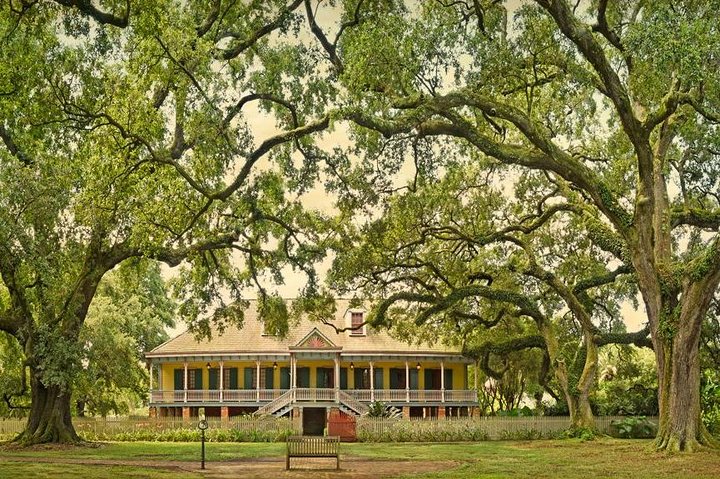
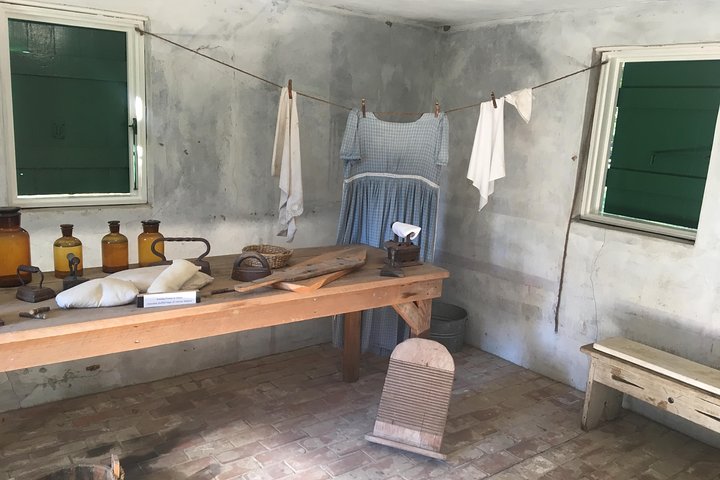

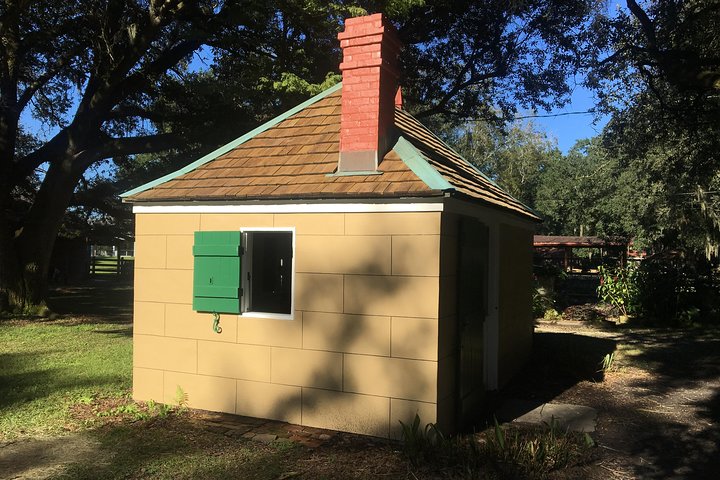
Discover the captivating history of Laura Plantation, a sugarcane plantation in Louisiana that was built and influenced by West-African enslaved people. Explore the preserved slave cabins and learn about the lasting impact on Creole culture.
Discover the captivating history of Laura Plantation, a sugarcane plantation in Louisiana that was built and influenced by West-African enslaved people. Explore the preserved slave cabins and learn about the lasting impact on Creole culture.
- Laura Plantation: Louisiana’s Creole Heritage Site - Upon arrival at the tour location, visitors will allocate roughly two hours for their visit. The Laura Plantation experience includes a seventy-minute guided tour of the estate. Additionally, guests have the opportunity for a self-led exploration of the plantation grounds and the historical…
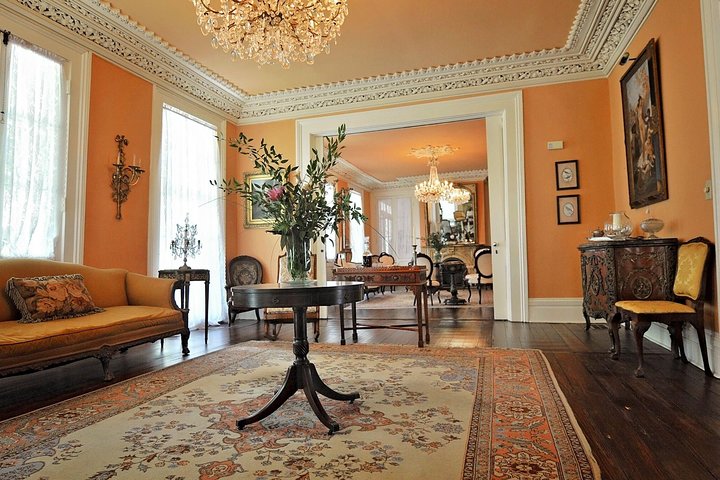
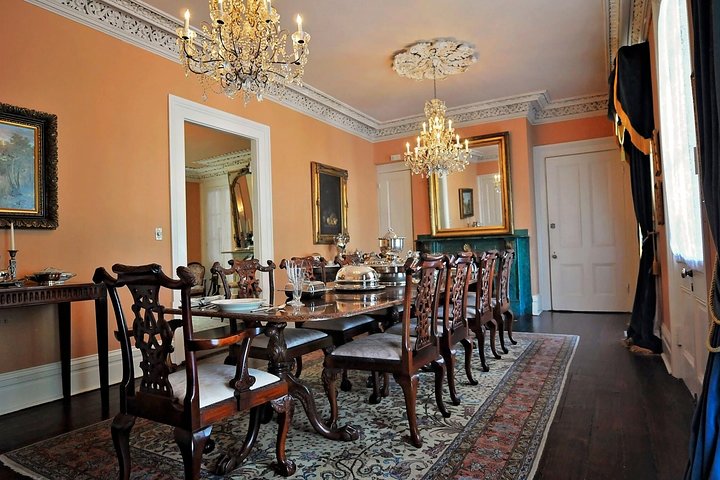
- Laura Plantation: Louisiana’s Creole Heritage Site - Upon arrival at the tour location, visitors will allocate roughly two hours for their visit. The Laura Plantation experience includes a seventy-minute guided tour of the estate. Additionally, guests have the opportunity for a self-led exploration of the plantation grounds and the historical slave quarters. Visitors may also browse the gift shop and enjoy a brief refreshment break prior to leaving.
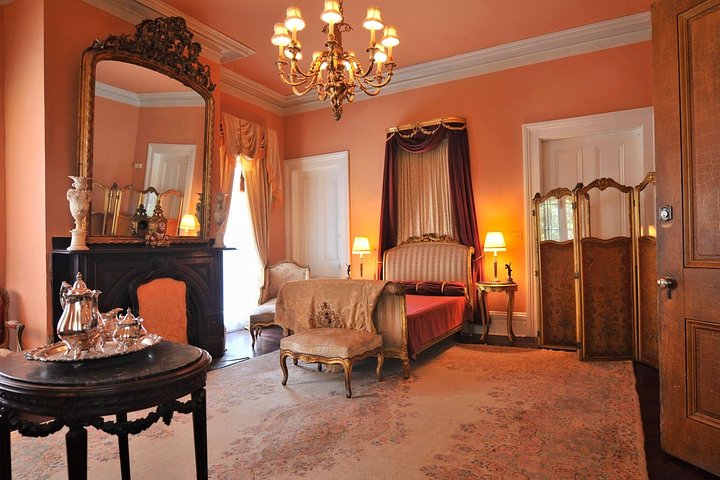
- In-vehicle air conditioning
- All fees and taxes included
- In-vehicle air conditioning
- All fees and taxes included
WEST-AFRICAN individuals were brought for their expertise in agriculture and construction, significantly contributing to the development of the Louisiana colony and influencing all aspects of the emerging Creole culture. This influence is evident today in the region’s language, cuisine, music, family traditions, architecture, and lifestyle. The…
WEST-AFRICAN individuals were brought for their expertise in agriculture and construction, significantly contributing to the development of the Louisiana colony and influencing all aspects of the emerging Creole culture. This influence is evident today in the region’s language, cuisine, music, family traditions, architecture, and lifestyle. The sugarcane plantation began in 1805 with seven enslaved individuals (six West-Africans and one Amerindian). As the plantation expanded, so did the number of enslaved workers. Four original slave cabins, constructed in the 1840s, still stand on the plantation. By the start of the Civil War, 186 individuals were enslaved on this farm. After the emancipation of slaves in Louisiana in 1866, most of these former slaves continued to reside in the Laura Plantation quarters. In 1895, descendants of these individuals were displaced when cypress lumber companies moved their workers into the Laura slave quarters. The cabins were occupied until 1977. Descendants of these enslaved individuals continue to live near the Laura Plantation today.
- Please observe silence during the transfer or travel time as a respect to your co travelers.
For a full refund, cancel at least 24 hours before the scheduled departure time.
For a full refund, cancel at least 24 hours before the scheduled departure time.


