Whistler’s Tapestry: From Indigenous Roots to Olympic Heights
Drawn by tales of Whistler’s transformation from indigenous lands to an Olympic hub, I embarked on a tour that promised scenic beauty and historical depth. Join me as I explore the legacy and landscapes that define this iconic destination.


Whistler’s Tapestry: From Indigenous Roots to Olympic Heights
The air was crisp, a familiar sensation that reminded me of my Arctic expeditions, as I embarked on the Whistler Sightseeing Tour. The tour promised a journey through Whistler’s scenic lakes, Olympic venues, and local artisans, and I was eager to see how this renowned destination compared to the stark beauty of the polar regions I often write about. Our guide, Ryan, was a masterful storyteller, weaving tales of Whistler’s indigenous heritage and its transformation into a world-class resort town.
Ryan’s enthusiasm was infectious as he recounted the history of Whistler, from its indigenous roots to its pivotal role in the 2010 Winter Olympics. His commentary was anything but scripted; it was a genuine narrative that brought the past to life. As we traversed the trails, roads, and ski runs, I couldn’t help but draw parallels to the survival stories I’ve chronicled in the Arctic. Whistler, too, has its own tales of resilience and transformation.
Olympic Legacy: A Testament to Human Endeavor
The tour’s exploration of Whistler’s Olympic legacy was a highlight. Ryan expertly connected the dots between the 2010 Winter Olympics and Whistler’s historical underpinnings. At the Whistler Sliding Centre, the site of bobsleigh, luge, and skeleton events, I was struck by the sheer audacity of human endeavor. The track, a testament to speed and precision, reminded me of the calculated risks taken by explorers in the polar regions.
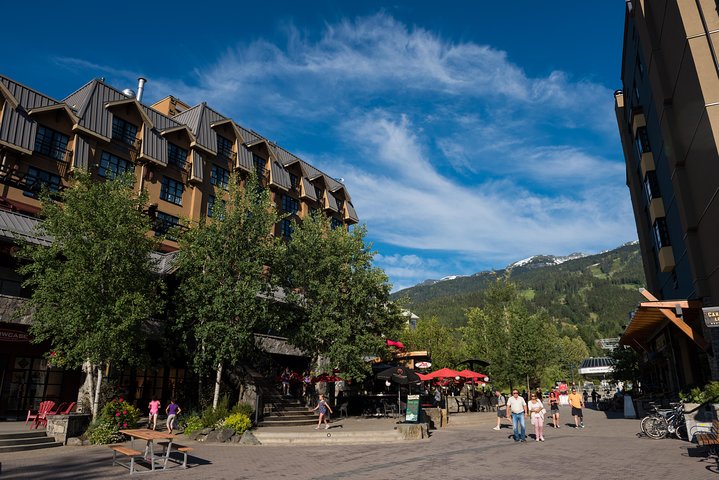
As we moved to the Whistler Olympic Park in Callaghan Valley, the stories of cross-country skiing, biathlon, Nordic combined, and ski jumping events unfolded. Ryan’s insights into how the Games reshaped Whistler’s infrastructure and global identity were profound. The Olympic Village and Whistler Village Area stood as symbols of transformation, much like the evolving landscapes I’ve witnessed in the Arctic.
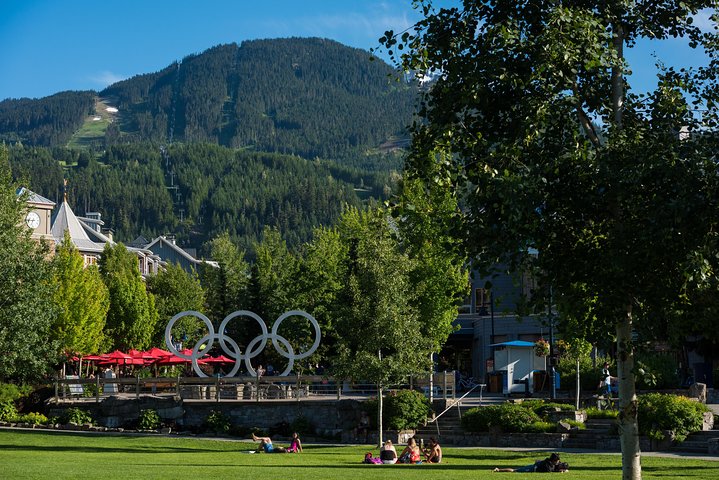
The Olympic rings and legacy landmarks dotted along our route served as reminders of the Games’ lasting impact. They were not just symbols of athletic achievement but also of Whistler’s enduring spirit. In these moments, I felt a kinship with the athletes who had once competed here, their determination mirroring the grit required to survive in the harshest of environments.
Nature’s Embrace: A Tranquil Conclusion
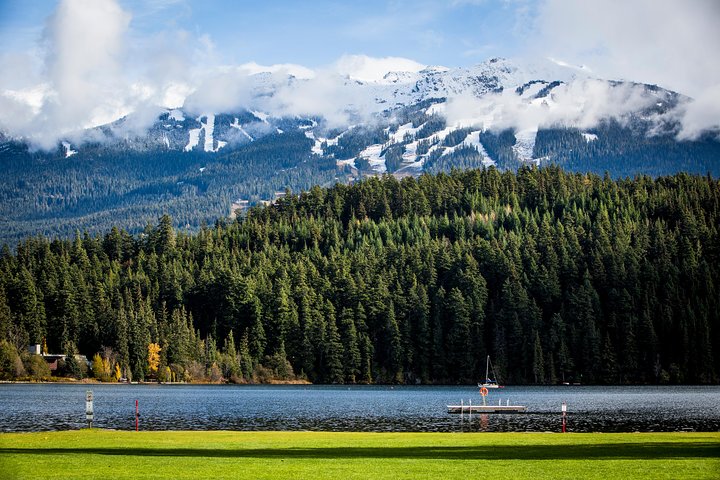
The tour concluded with a visit to Rainbow Lake and Alta Lake, where the serene beauty of Whistler’s early homestead era unfolded. The peaceful vistas were a stark contrast to the icy expanses I often explore, yet they held a similar allure. Ryan’s stories of Myrtle Philip, a pioneer who helped shape Whistler’s identity, resonated deeply. Her spirit of adventure and resilience was akin to the explorers I’ve encountered in my travels.
As I stood by the lakeside, camera in hand, I reflected on the journey. Whistler, with its blend of history, nature, and Olympic legacy, had left an indelible mark. It was a reminder that beauty and resilience can be found in diverse forms, whether in the frozen tundra or the lush landscapes of British Columbia. This tour, much like my Arctic expeditions, was a testament to the enduring human spirit and the stories that connect us all.