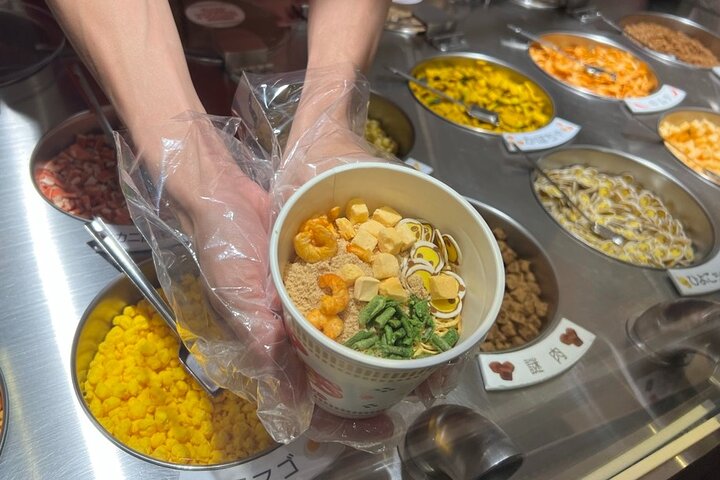
Crafting Ramen: A Culinary Journey in Yokohama
In search of a deeper understanding of Japan’s culinary traditions, I embarked on a ramen crafting adventure in Yokohama. This immersive experience promised not only the art of noodle-making but also a cultural exchange that would leave a lasting impression.


A Journey into the Heart of Ramen
As I stepped into the quaint noodle factory in Yokohama, I was immediately enveloped by the rich aroma of freshly made noodles. This was no ordinary ramen experience; it was a deep dive into the art and tradition of noodle crafting, guided by a family with three generations of expertise. The factory, though small, was bustling with activity, each corner telling a story of dedication and craftsmanship.
Our host, a master noodle maker, welcomed us with a warm smile and an infectious passion for his craft. He began by explaining the intricacies of noodle-making, from the selection of doughs to the choice of cutting blades. Each decision, he explained, would influence the flavor and texture of the noodles, allowing us to create a dish that was uniquely ours. As I carefully selected my ingredients, I couldn’t help but reflect on the cultural significance of ramen in Japan—a dish that, much like my own multicultural background, is a blend of influences and traditions.
The hands-on experience was both enlightening and humbling. As I kneaded the dough and watched it transform into delicate strands of noodles, I gained a newfound appreciation for the skill and patience required in this age-old craft. It was a reminder of the beauty found in tradition and the importance of preserving these cultural practices for future generations.
A Taste of Home
After our time at the factory, we were invited into a local Japanese home for a cooking session that promised to be as enriching as it was delicious. The home was warm and inviting, a perfect setting for our culinary adventure. Our host had prepared a delightful spread of ingredients, each carefully chosen to highlight the flavors of traditional Japanese cuisine.
We began by preparing a salad with crispy sardines and tofu, followed by handmade gyoza and ramen topped with tender chashu and a soft-boiled egg. The attention to detail was evident in every step, from the precise slicing of vegetables to the artful arrangement of dishes. As we cooked, our host shared stories of her family’s culinary traditions, offering insights into the cultural significance of each dish.
The meal was a celebration of flavors and textures, each bite a testament to the care and craftsmanship that had gone into its creation. As we gathered around the table, raising a glass of sparkling plum wine, I felt a deep sense of connection—not only to the people around me but also to the rich tapestry of Japanese culture that had been woven into every aspect of the experience.
A Cultural Exchange
One of the most rewarding aspects of this experience was the opportunity to connect with fellow travelers from around the world. Among our group was a couple from Germany, whose enthusiasm for the experience was palpable. As we shared stories and laughter over our meal, I was reminded of the universal language of food and its power to bring people together.
The hosts’ hospitality was unmatched, their warmth and generosity creating an atmosphere of genuine camaraderie. It was clear that they took great pride in sharing their culture with us, and their efforts to make us feel at home were deeply appreciated. As we exchanged recipes and tips for recreating the dishes at home, I felt inspired to continue exploring the culinary traditions of Asia and to share these experiences with others.
This ramen crafting adventure in Yokohama was more than just a cooking class; it was a journey into the heart of Japanese culture, a celebration of tradition, and a reminder of the connections that bind us all. I left with a full heart, a satisfied palate, and a renewed appreciation for the art of ramen-making—a truly unforgettable experience that I would recommend to anyone seeking a deeper understanding of Japan’s rich culinary heritage.