Exploring Charleston’s Rich History: A Walking Tour Experience
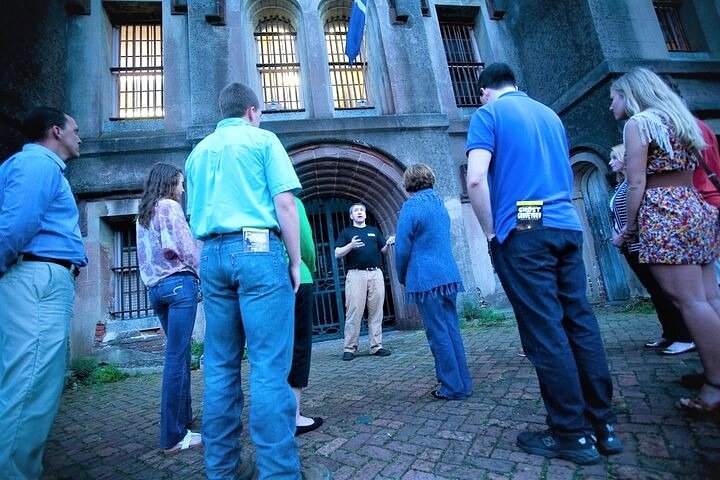
Drawn by Charleston’s rich history, I embarked on a walking tour that promised an intimate exploration of the city’s storied past. Guided by Eric, whose passion and knowledge brought each site to life, this tour was a journey through time that deepened my appreciation for Charleston’s historical tapestry.


A Stroll Through Time: Charleston’s Historical Tapestry
Charleston, a city steeped in history and Southern charm, has long been a destination for those seeking to immerse themselves in the rich tapestry of America’s past. As a former professor of European history, I have always been drawn to places where the echoes of history resonate through cobblestone streets and ancient edifices. My recent journey to Charleston was no exception, and the Charleston Historical Walking Tour was the perfect conduit to explore this storied city.
Upon meeting our guide, Eric, it was immediately clear that this tour would be unlike any other. His passion for history was palpable, and his ability to weave intricate narratives from the annals of Charleston’s past was nothing short of mesmerizing. As we embarked on our three-hour journey, Eric’s knowledge of American history, coupled with his engaging storytelling, brought each site to life. From the historic Mills House Hotel, which played a pivotal role during the Civil War, to the Dock Street Theater, the first of its kind in North America, each location was a chapter in the unfolding story of Charleston.
Architectural Marvels and Historical Insights
As we meandered through the city, Eric’s insights into Charleston’s architectural evolution were particularly fascinating. The Pink House Gallery, one of the oldest buildings in the city, stood as a testament to the enduring craftsmanship of the early 18th century. Meanwhile, the French Huguenot Church, with its Gothic Revival style, offered a glimpse into the cultural influences that shaped Charleston’s architectural landscape.
Eric’s ability to connect historical events with the architectural features of each site was reminiscent of my own academic pursuits in European history. The Charleston City Hall, once a meat market and bank, now stands as a symbol of the city’s resilience and adaptability. Similarly, the Charleston County Courthouse, originally the South Carolina statehouse, echoed the political shifts that have defined the region.
A Personal Connection to History
What truly set this tour apart was Eric’s knack for personalizing the experience. His references to participants’ home states and his ability to engage with each member of the group, including the youngest—a three-month-old baby—created a sense of camaraderie and shared discovery. As we stood at the Old Exchange & Provost Dungeon, where the Constitution was ratified in 1788, I couldn’t help but reflect on the parallels between Charleston’s history and the European narratives I have studied throughout my career.
The tour concluded with a view of Fort Sumter from the Battery, a poignant reminder of the city’s role in the Civil War. As we parted ways, I was left with a profound appreciation for Charleston’s historical richness and a renewed passion for uncovering the stories that lie beneath the surface of every city I visit. Eric’s tour was not just an exploration of Charleston’s past, but a journey through time that left an indelible mark on my understanding of American history.