Immersed in Tradition: A Day at the Tokyo Sumo Tournament
Drawn by the allure of Japan’s national sport, I embarked on a journey to witness a live sumo tournament in Tokyo. Guided by the passionate and knowledgeable Yumi, I discovered the rich traditions and thrilling excitement of sumo wrestling.




The Anticipation of Tradition
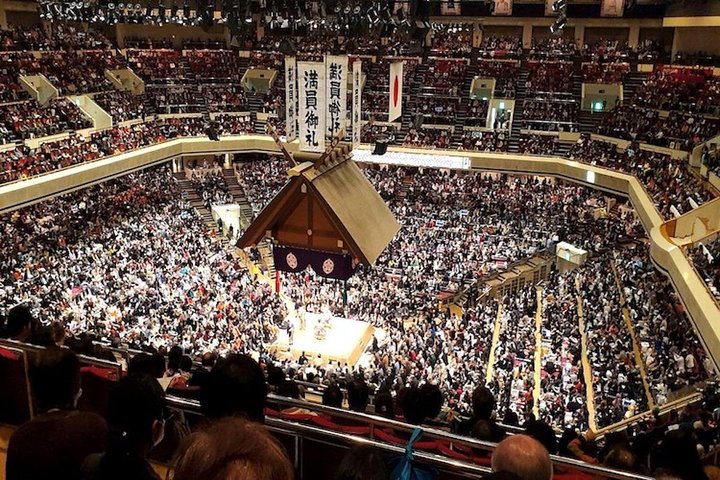
As I stepped into the Ryogoku Kokugikan, the air was thick with anticipation. The grand arena, a temple of tradition, was alive with the energy of devoted fans and curious onlookers alike. I had always been fascinated by sumo wrestling, a sport that is as much about ritual and history as it is about physical prowess. Growing up in a multicultural household, I was no stranger to the rich tapestry of Japanese culture, but witnessing a live sumo tournament was an experience I had long yearned for.
The moment I met Yumi, our guide for the day, I knew I was in for something special. Her warm smile and infectious enthusiasm set the tone for the day. Yumi’s knowledge of sumo was unparalleled; she knew every wrestler’s history, their techniques, and even the intricate details of the referees’ attire. Her passion for the sport was evident, and it was contagious. As she handed out binders filled with information and little towels to cheer with, I felt a sense of camaraderie with my fellow spectators.
The Thrill of the Matches
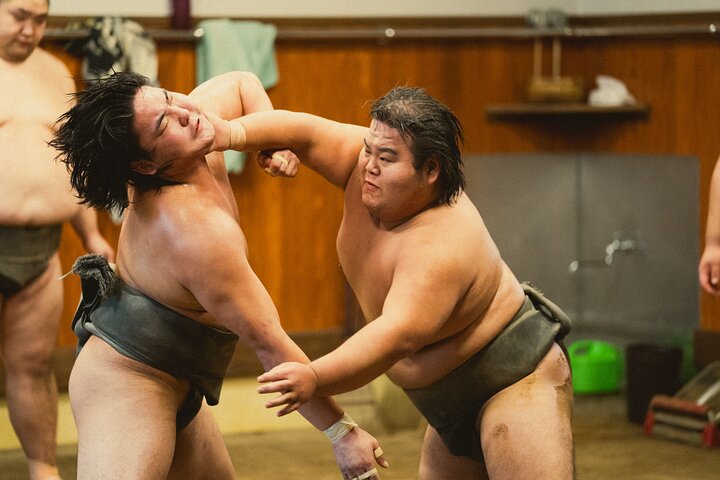
The matches themselves were a spectacle to behold. The tension in the air was palpable as the wrestlers, or rikishi, faced off in the dohyo, the sacred ring. Each bout was a dance of strength and strategy, a testament to the years of training and discipline that sumo demands. Yumi’s expert commentary brought each match to life, her voice rising with excitement as she explained the nuances of each move and the significance of each ritual.
The highlight of the day was undoubtedly the final match between Houshouryu and Aonishiki. The crowd was on the edge of their seats, and I found myself cheering alongside them, caught up in the thrill of the moment. The match was a display of raw power and skill, and it left me with a newfound appreciation for the sport. Another memorable bout was with Tamawashi, whose technique and agility were nothing short of impressive.
A Deeper Connection
Beyond the excitement of the matches, the experience offered a deeper connection to Japanese culture. Yumi’s insights into the history and traditions of sumo provided a richer understanding of the sport’s significance. Her recommendations for local delicacies, like the chicken yakitori, added a delightful culinary dimension to the day.
As I left the arena, I felt a profound sense of gratitude for the opportunity to witness such a unique aspect of Japanese culture. The sumo tournament was more than just a sporting event; it was a celebration of tradition, a reminder of the beauty and complexity of cultural heritage. For anyone seeking to immerse themselves in the heart of Japan, I cannot recommend this experience enough. Sumo Tournament