Immersed in Tradition: Experiencing the Grand Sumo Tournament in Tokyo
Eager to delve into the heart of Japanese tradition, I embarked on a journey to witness the Grand Sumo Tournament in Tokyo. Guided by a local expert, this experience offered a profound insight into the rituals and history of Japan’s national sport.




The Anticipation of Tradition
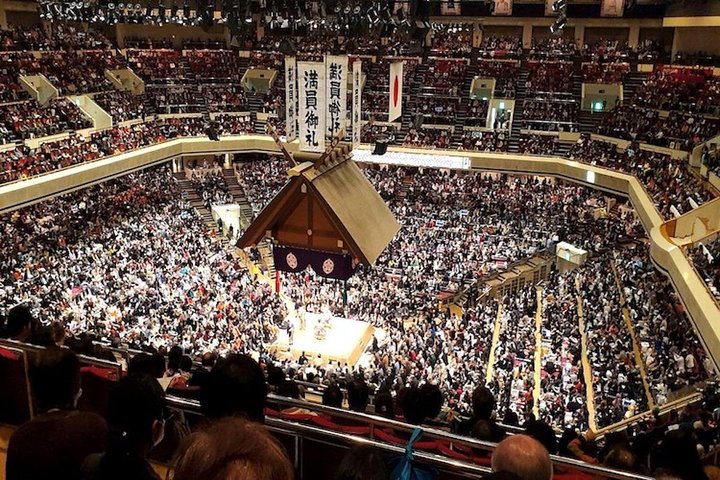
As I stepped into the Ryogoku Kokugikan, the air was thick with anticipation and the echoes of history. This was not just any sporting event; it was a cultural immersion into Japan’s national sport, sumo. Growing up in a multicultural household, I had always been fascinated by the traditions that my Japanese mother shared with me, and sumo was one of those enigmatic rituals that I had longed to experience firsthand.
The tournament was held in January, a time when Tokyo’s winter chill was offset by the warmth of the crowd’s excitement. Our group, consisting of about 12 people, was led by Maya, a local guide whose passion for sumo was infectious. Her ability to seamlessly switch between languages, including English, Japanese, and even Spanish, made everyone feel included and engaged. As we settled into our seats in the upper levels, I was struck by the grandeur of the arena and the palpable energy that filled the space.
The Dance of Giants
The matches began, and with each bout, I found myself more entranced by the dance of giants before me. Sumo is not merely a sport; it is a ritualistic display of strength, strategy, and tradition. Maya provided us with earpiece audio, allowing her to narrate the unfolding drama in real-time. Her explanations of the rules, the rituals, and the wrestlers’ backgrounds added layers of depth to what we were witnessing.
The wrestlers, or rikishi, entered the ring with a sense of reverence, performing ceremonial rituals that have been passed down through generations. The clapping of hands, the stomping of feet, and the throwing of salt were not just for show; they were acts steeped in symbolism, meant to purify the ring and honor the spirits. As each match concluded, the crowd erupted in applause, a testament to the shared appreciation for this ancient art form.
A Feast of Culture
After the tournament, our group gathered for a traditional chanko-nabe dinner, a hearty stew that is a staple in the diet of sumo wrestlers. As we shared this meal, Maya continued to enrich our understanding of sumo and Japanese culture. Her stories of the wrestlers’ lives, their rigorous training, and the history of sumo itself painted a vivid picture of a world that is both ancient and alive.
This experience was more than just a day at the sumo tournament; it was a journey into the heart of Japanese tradition. For anyone seeking to understand the soul of Japan, I highly recommend Sumo Tournament as a gateway to this fascinating world. The combination of live matches, expert commentary, and cultural insights made for an unforgettable adventure that I am eager to share with others.